The kit you grab when emergencies hit
A "go-kit" is whatever lets you operate safely, comfortably, and usefully away from your home station for the duration of an activation. It is personal — your own gear, your own meds, your own documents. It should be assembled in advance, stored somewhere you can grab in under a minute, and refreshed twice a year so batteries are charged and food hasn't expired.
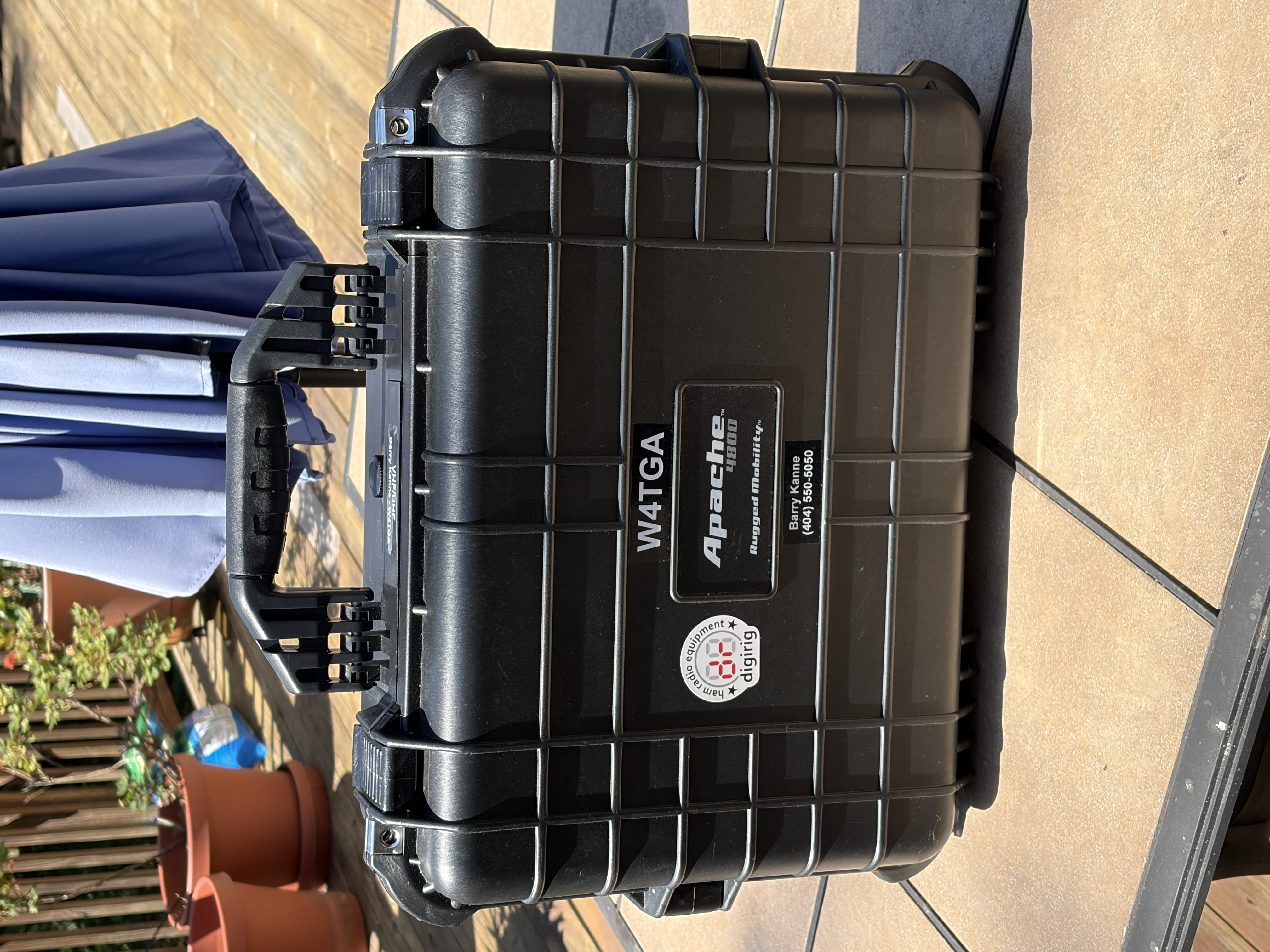
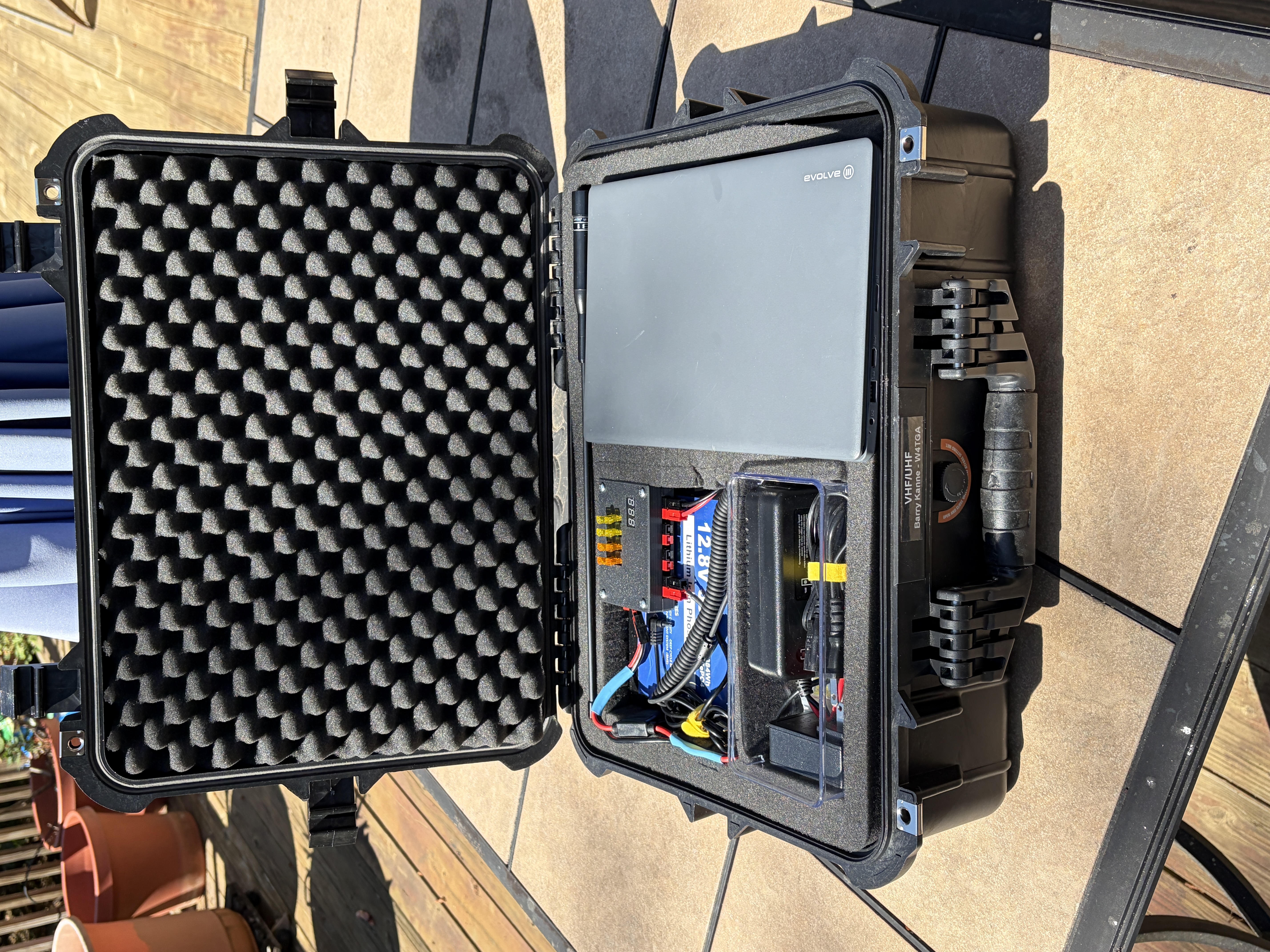
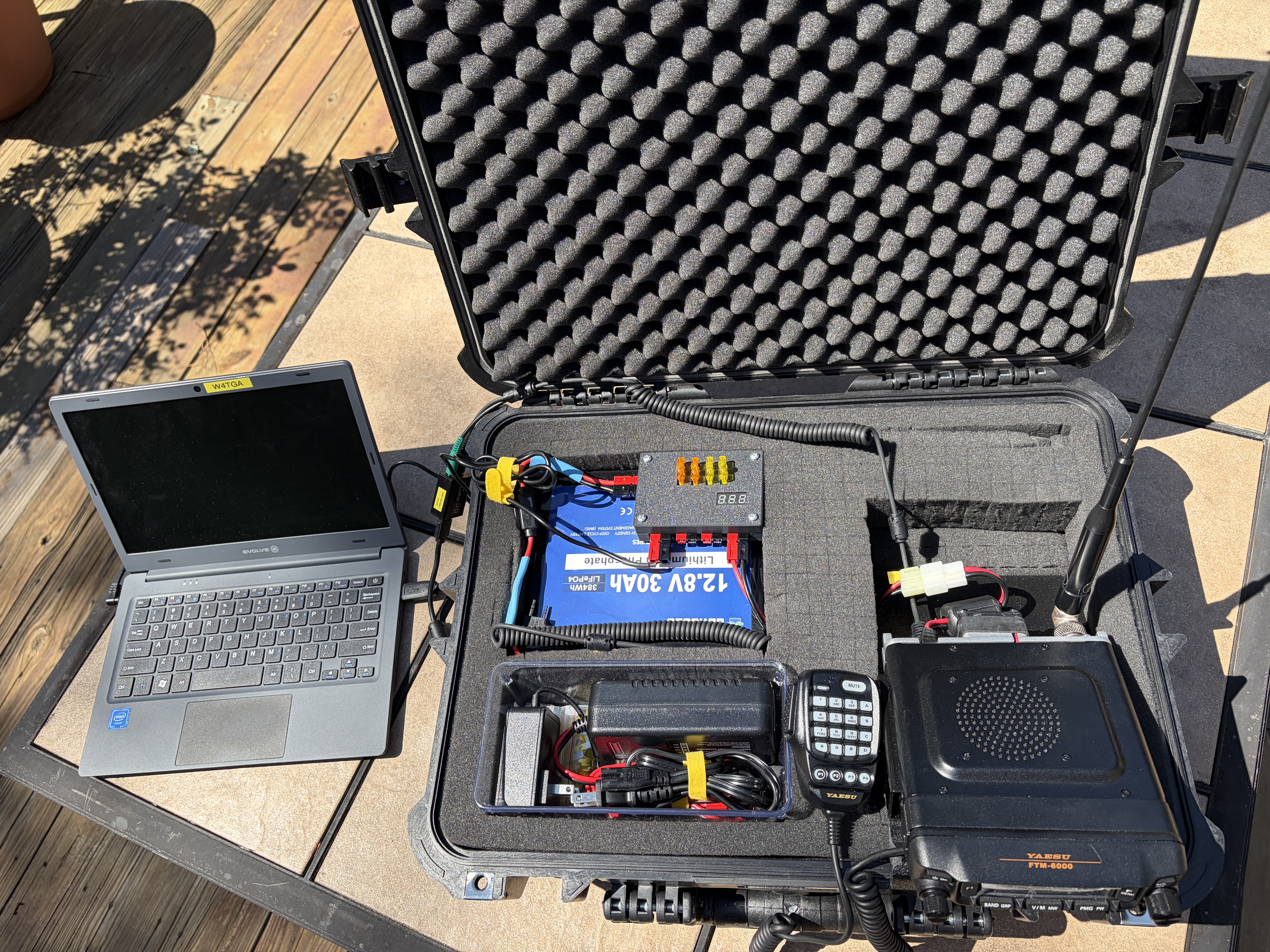
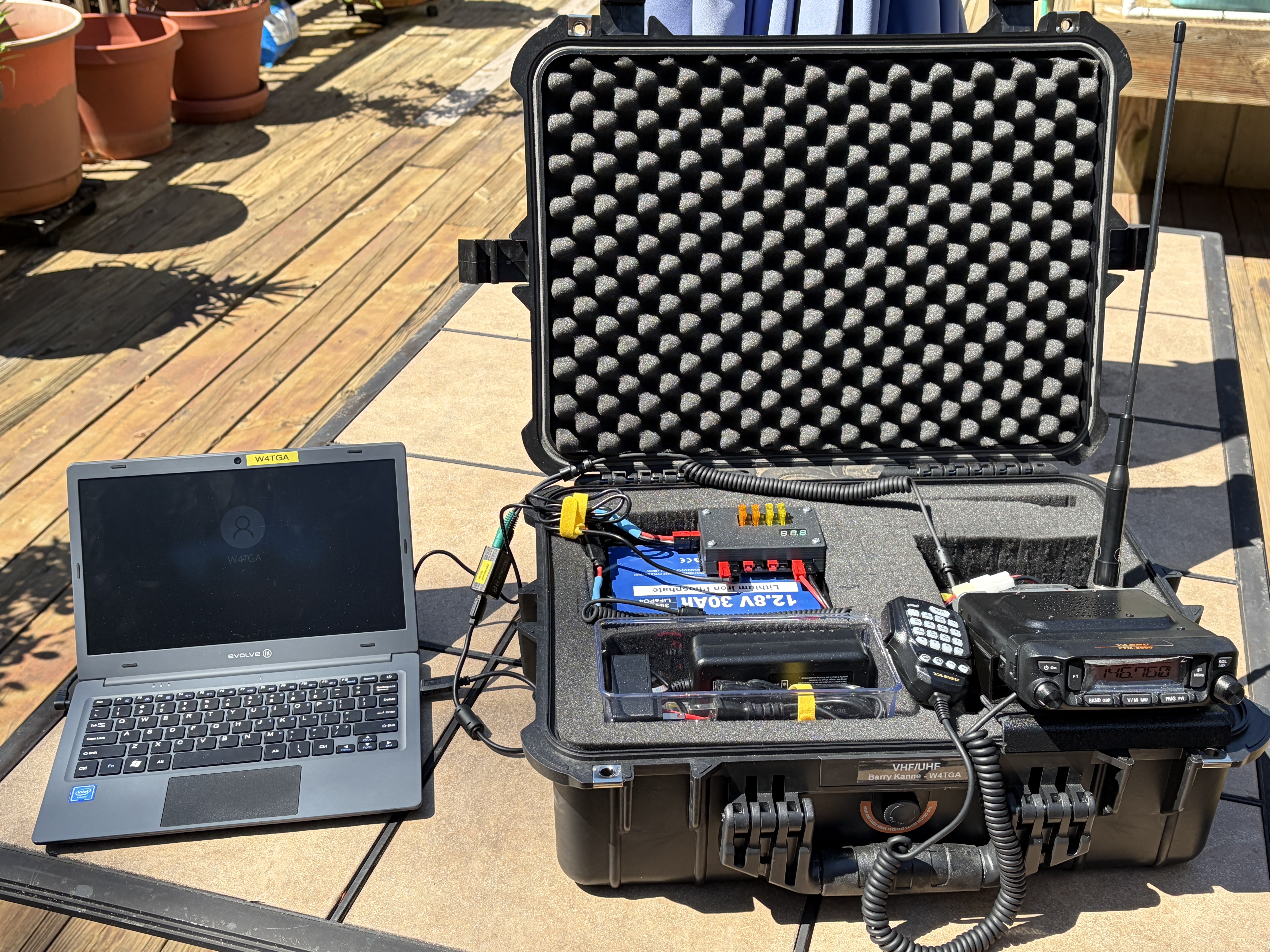
The list below is comprehensive, not prescriptive — 51 core items and a further 11 optional enhancements organized by function. Starred items are optional. Tailor to your license class, typical deployment role, and vehicle.
- Tier 1 · HT bag — can be out the door in 15 minutes. Radio, spare battery, rubber duck + one better antenna, ID, phone.
- Tier 2 · 24-hour kit — Tier 1 plus coax, mobile power, laptop for digital, water, food, personal care, first aid.
- Tier 3 · 72-hour kit — Tier 2 plus sustainment, sleeping gear, backup power (solar / extra battery), extended documentation.
Radio
At minimum one HT with the primary and backup DeKalb ARES repeaters programmed in. A mobile or base radio adds reach and power.
- Handheld transceiver (HT)
- HT spare battery pack (fully charged)
- AA battery tray if available for your HT — a fallback power path
- Speaker microphone or boom headset
- Mobile / portable radio (25–50 W) ★
- Dual-band or tri-band capability 2m / 70cm covers our primary + most served-agency repeaters
Antennas
A stock rubber duck is rarely enough. Carry at least one better antenna plus a deployable.
- Rubber duck antenna factory-issue — baseline
- 5/8-wave or telescoping aftermarket whip
- Roll-up J-pole (2m) see the J-pole build guide on the Reference Tools page
- Window-clip mount for SMA antennas clips an HT antenna to a window or glass for indoor or vehicle use, getting the antenna out into open air
- Magnetic-mount mobile antenna ★ if you carry a mobile radio
- Antenna adapters (BNC, SMA, UHF, N) one of each you might need
Coax and connectors
- 25–50 ft of low-loss coax (RG-8X or LMR-240)
- Barrel connectors and gender-change adapters
- Electrical tape and/or rescue tape
Power
Plan for at least 24 hours of independent operation. Powerpole is the DC connector standard.
- 12 V deep-cycle or LiFePO4 battery (20 Ah+)
- Anderson Powerpole cables short and long, plus a splitter / RigRunner if possible
- 12 V battery cable with Powerpole terminals
- In-line fuses and a spare fuse pack
- Wall charger for the station battery
- HT wall charger
- HT 12 V vehicle charger
- 12 V → USB adapter for phone / tablet
- USB-C / Lightning phone cables
- Solar panel (20–60 W folding) ★
- Hand-crank radio / power ★
Digital modes
If you're Winlink- or APRS-capable, bring the interface. If you're not, the hardware is light and worth adding.
- Laptop or tablet with charger Winlink Express / VarAC installed and configured
- Digital interface Digirig Lite, Mobilinkd, SignaLink USB, or built-in radio interface
- Radio-to-interface programming cable
- USB hub and spare USB cables ★
- Smartphone with WoAD or RadioMail ★ Winlink on mobile as a backup
- Spare SD card with current codeplug / config backups ★
Documentation and credentials
- FCC amateur radio license (printed copy)
- DeKalb ARES / ARRL ID card
- Government-issued photo ID
- Radio manual (PDF on phone is fine)
- Current repeater list and simplex frequencies
- Initial Contact SOP (printed or on phone) updated periodically — see the Activation SOP callout on the home page
- Blank ICS-213, ICS-214, and radiogram forms
- Notepad, pens, and a Sharpie
Personal sustainment — 24 to 72 hours
Served agencies rarely have capacity to feed and hydrate volunteers during an activation. Plan to be fully self-sufficient.
- Water (1 gallon per day minimum)
- Non-perishable food for 24+ hours
- Prescription medications (with a 72-hour supply)
- Toiletries kit
- Change of clothes and extra socks
- Weather-appropriate outer layer
- Sleeping bag or emergency blanket ★
- Camp chair ★
Safety and first aid
- Personal first-aid kit
- Flashlight and / or headlamp with spare batteries
- Emergency whistle
- N95 masks dust, smoke, post-disaster air quality
- High-visibility vest
- Work gloves
- Rain poncho
Tools and utilities
- Multi-tool / Swiss Army knife
- Pliers (gas/water-shutoff capable)
- Duct tape and zip ties
- 50 ft of paracord or utility rope
- Compact tarp (8×10) ★ shelter, antenna ground plane, improvised mat
- Extension cord and power strip
- Small SWR/power meter ★
Maintenance
A go-kit that hasn't been opened in a year is not a go-kit — it is a disappointment. Check yours at least twice a year:
- Top up all batteries; replace any that won't hold charge.
- Rotate food and water; swap expired medications.
- Test the radio on the weekly net from the kit's battery.
- Reprint any forms and the Initial Contact SOP.
This checklist builds on the original go-kit presentation given at the DeKalb ARES September 2014 meeting by George Olive, AI4UR. Updated periodically to reflect current digital modes and deployment realities.
External references
Other ARES groups publish good go-kit guides worth reviewing for different perspectives: